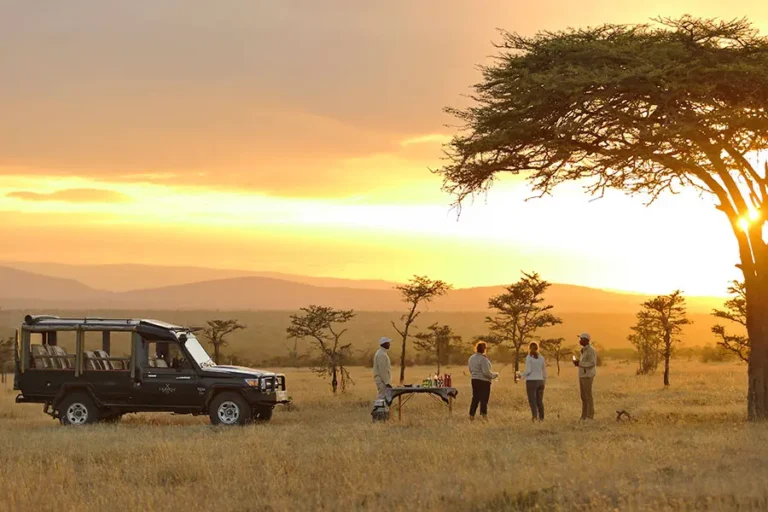
African safari tourism remains one of the most recognisable expressions of the continent’s natural heritage. According to the World Travel and Tourism Council, travel and tourism contributes more than 9 percent of Africa’s GDP and supports millions of livelihoods across urban and rural economies. Within this ecosystem, wildlife tourism plays a dual role. It generates revenue for conservation authorities and sustains communities living alongside protected areas. Although luxury lodges dominate much international marketing, a wide range of publicly managed parks and locally grounded enterprises make safari travel accessible at more moderate price points. Across southern, eastern and western Africa, affordability is often shaped by self drive options, community partnerships and flexible accommodation models. The following destinations illustrate how travellers can encounter biodiversity while engaging with conservation frameworks that are rooted in African governance and stewardship.
1. Kruger National Park, South Africa
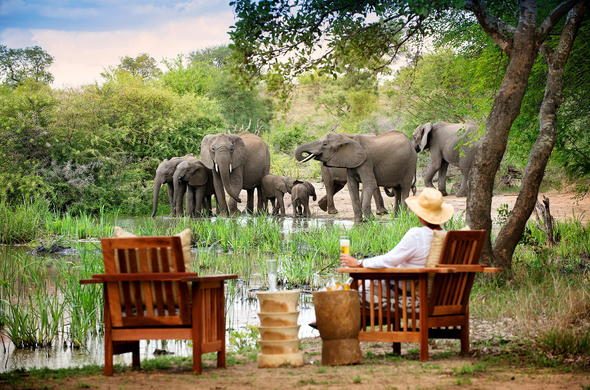
Managed by South African National Parks, Kruger National Park extends across nearly two million hectares along South Africa’s north eastern border. As part of the Great Limpopo Transfrontier Conservation Area, it connects ecosystems across national boundaries. The park’s extensive road network allows visitors to undertake self drive safaris, reducing reliance on private guides. Accommodation ranges from campsites and self catering bungalows to rest camps with basic facilities. Wildlife densities remain high, with established populations of lion, leopard, elephant, rhino and buffalo, alongside cheetah, wild dog and more than 500 recorded bird species.