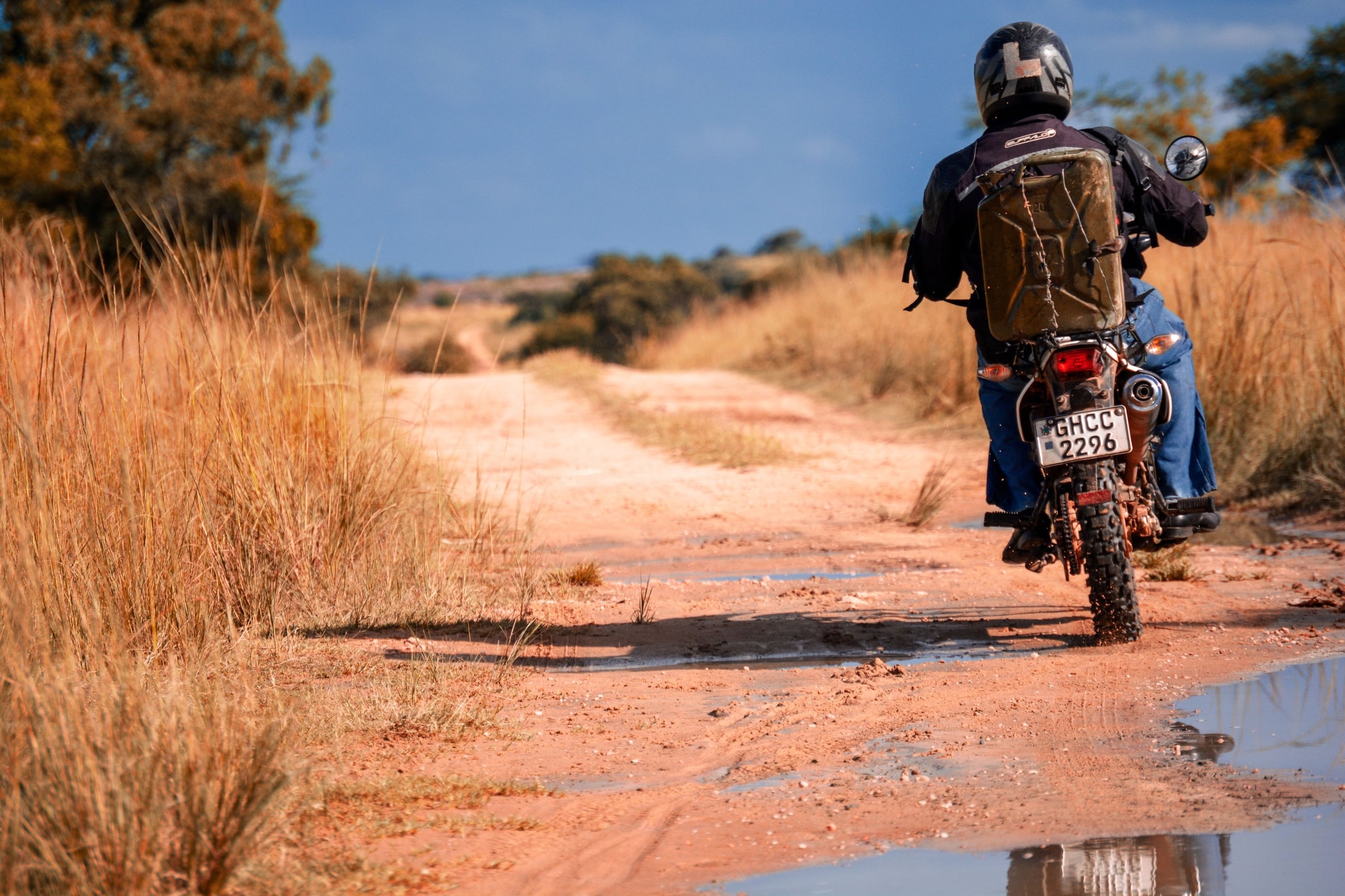
Gemma Griffiths introduces herself the same way in every country she has ever played in: “Hi, I am Gemma, a girl from Zimbabwe.” She is a Zimbabwean singer and songwriter whose debut album, Gemma, turned one in May. Gemma has collaborated with well-known artists such as Winky D and Nutty O, and it has taken her far and wide. A few years ago, she packed up a van as a makeshift studio and travelled across Southern Africa to explore the places, people and sounds she came across.
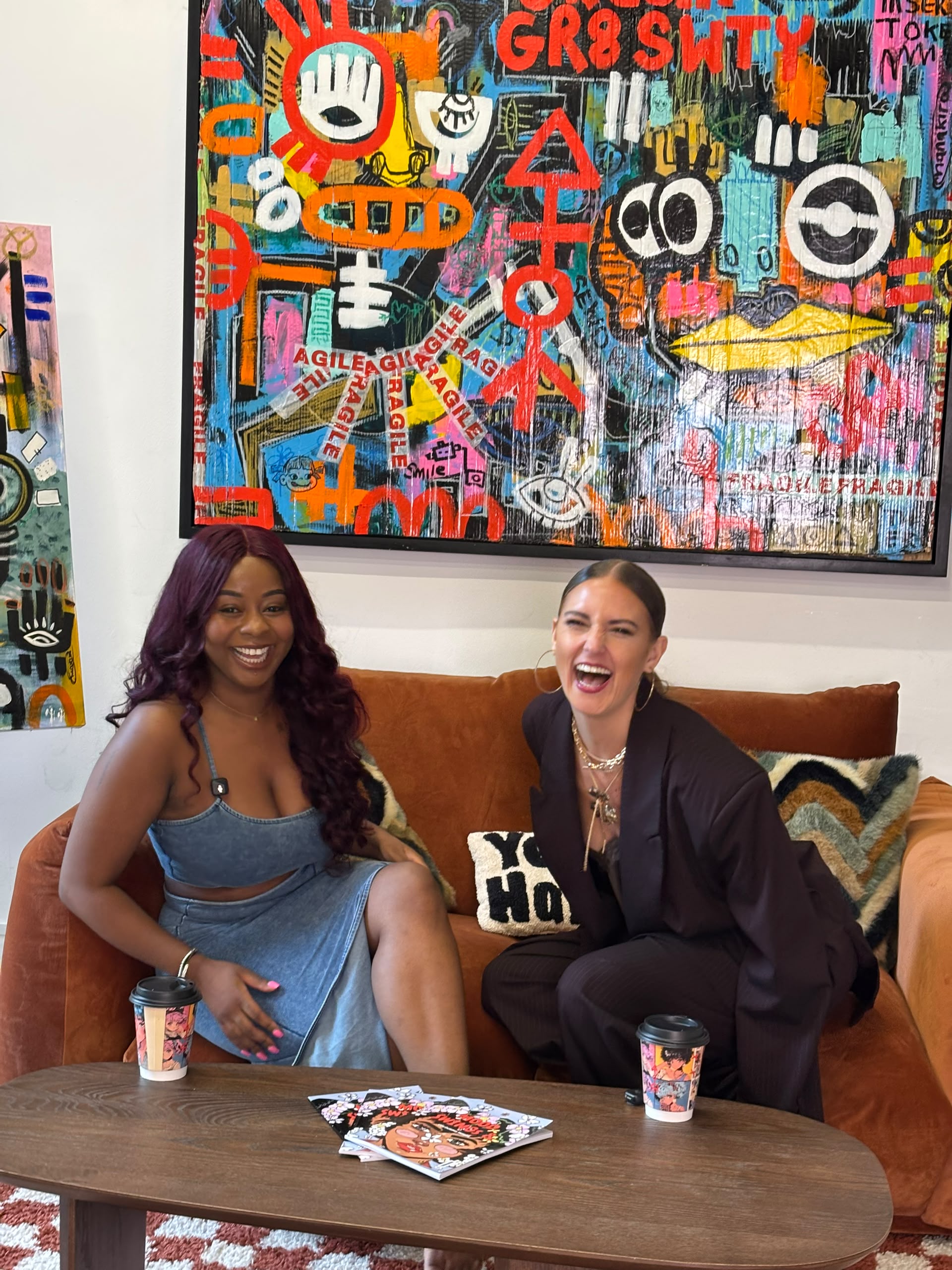
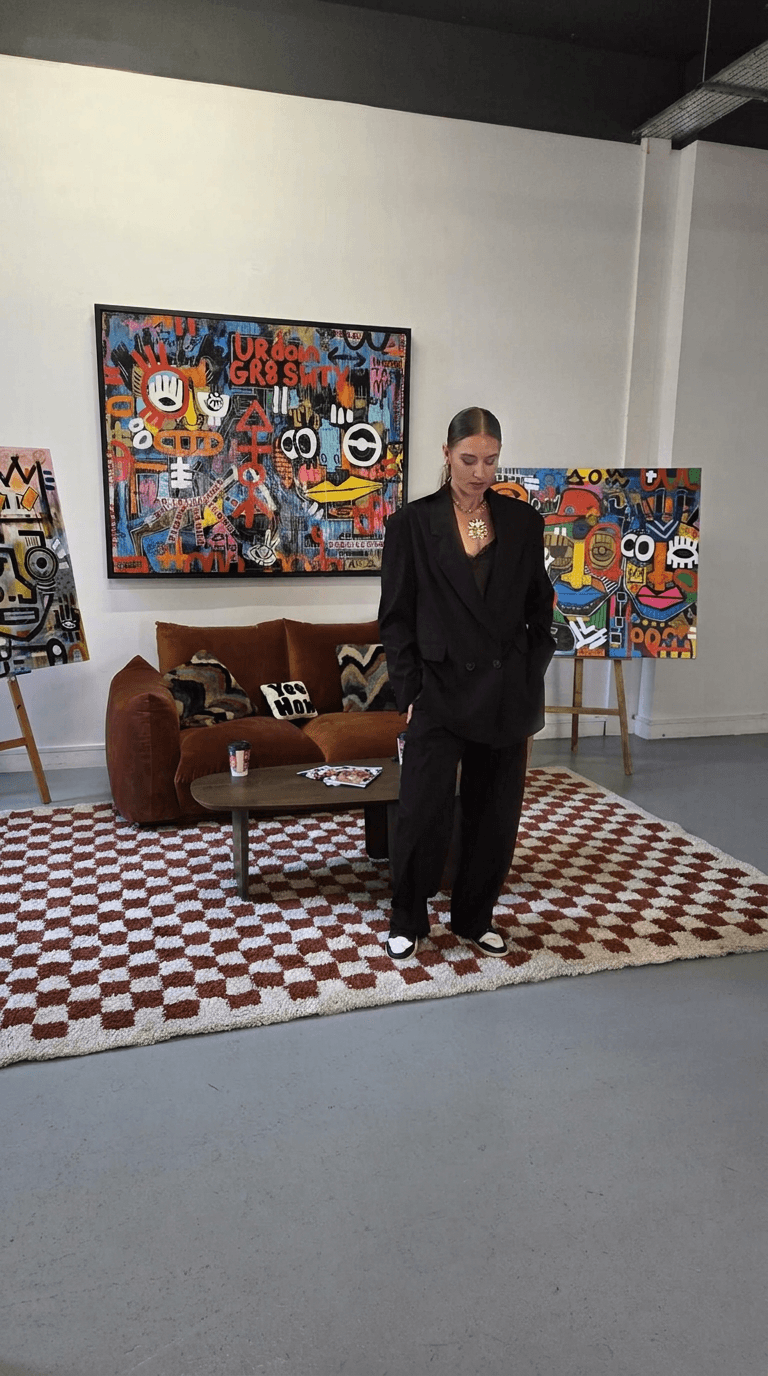
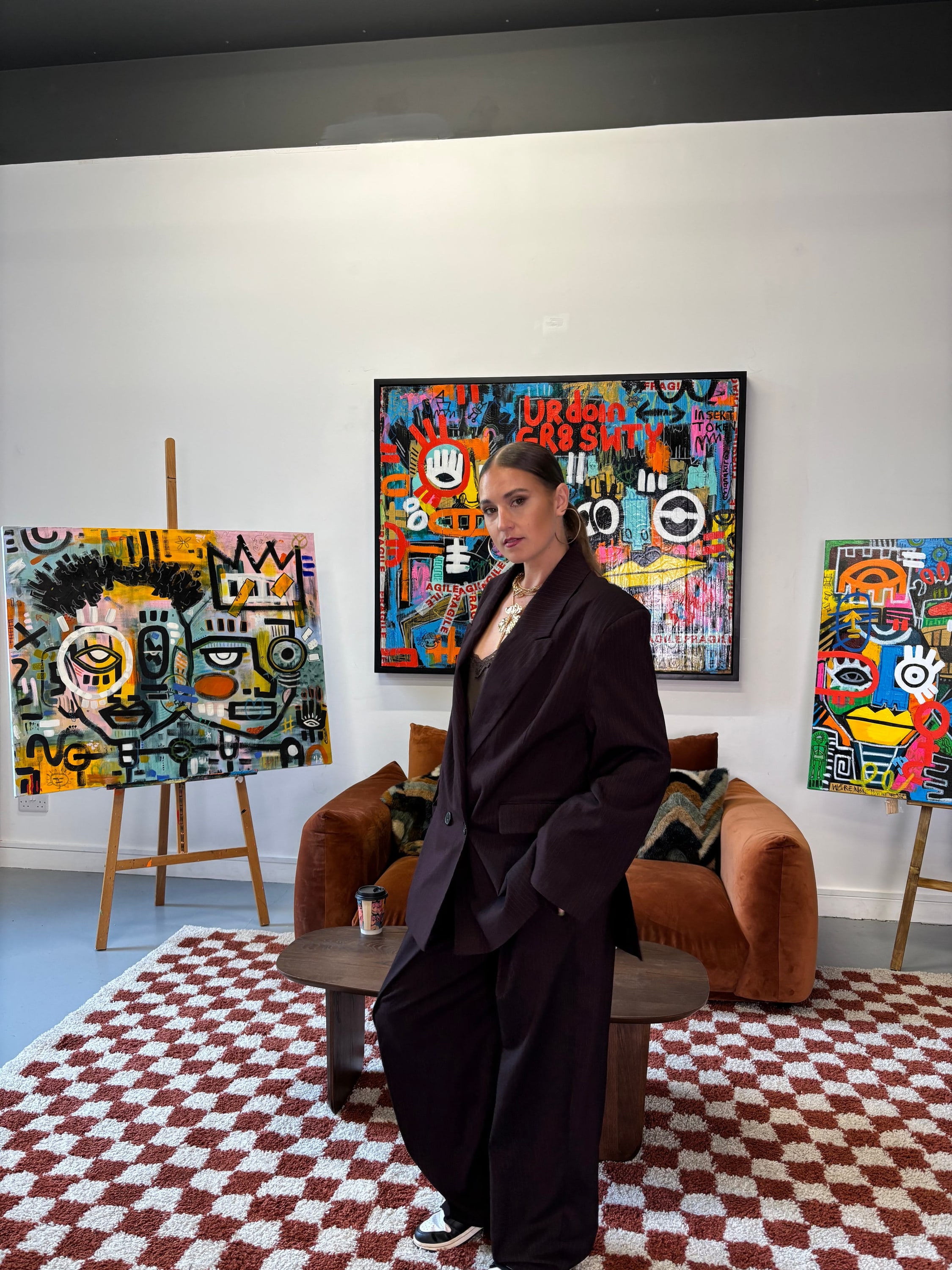
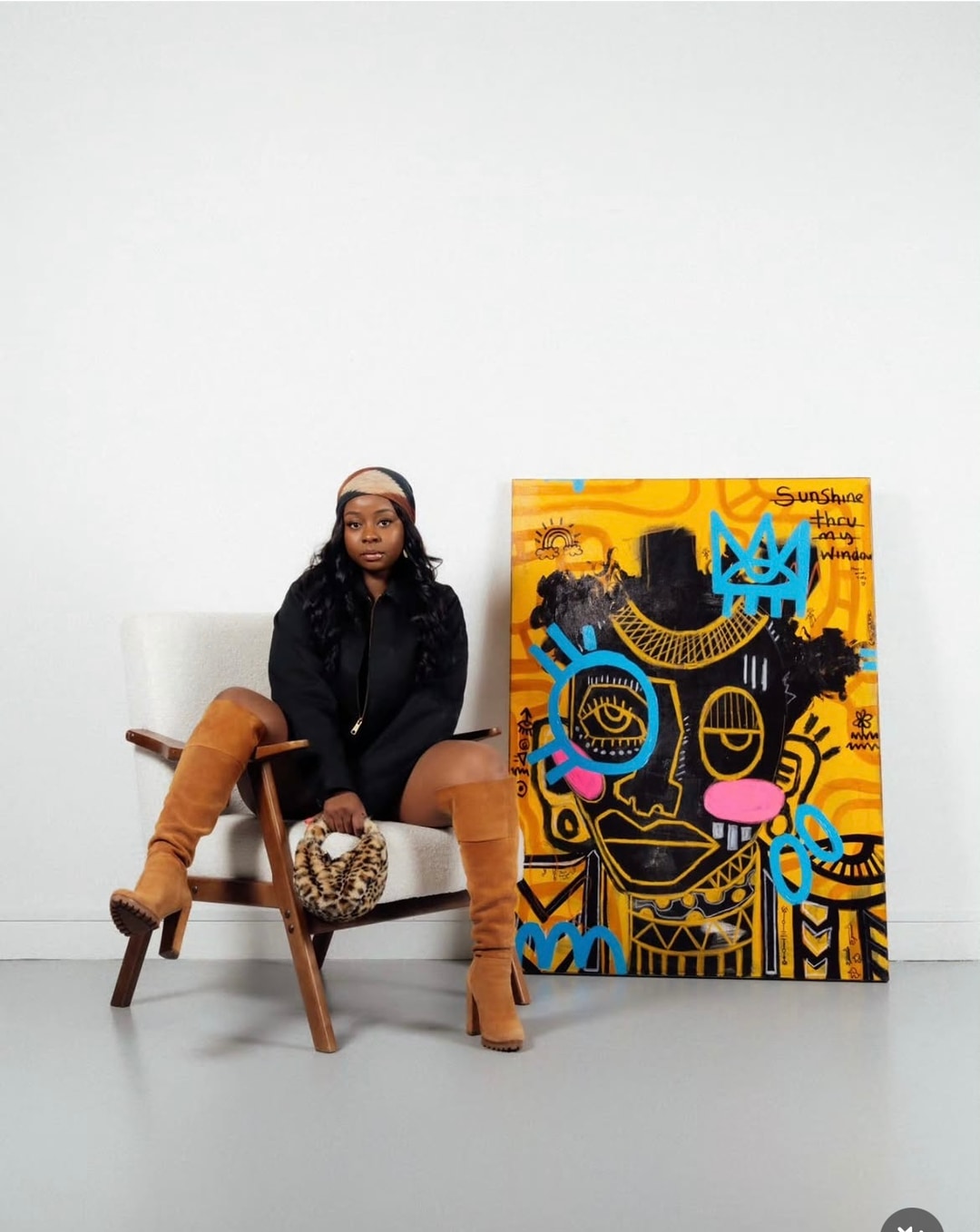
We met her in London, where she had come for Nutty O’s album launch. Nutty O is a close friend and frequent collaborator whose new record she had already heard and calls phenomenal. It includes “My Maria”, their third song together. She sat down with the artist Charmaine Chanakira in her studio. As Gemma Griffiths walked into Charmaine’s studio, the first thing she did was thank God for the air con. We all laughed at the idea that this heat could still catch a Zimbabwean off guard, but London in summer is its own kind of hot, especially this year.
What I did not expect, but was certainly a welcome exchange, was how much of the hour she would spend, without being asked, taking us around the country place by place and meal by meal, as if she were planning a trip for us.
So, we wrote it down. Consider this your itinerary.
HARARE
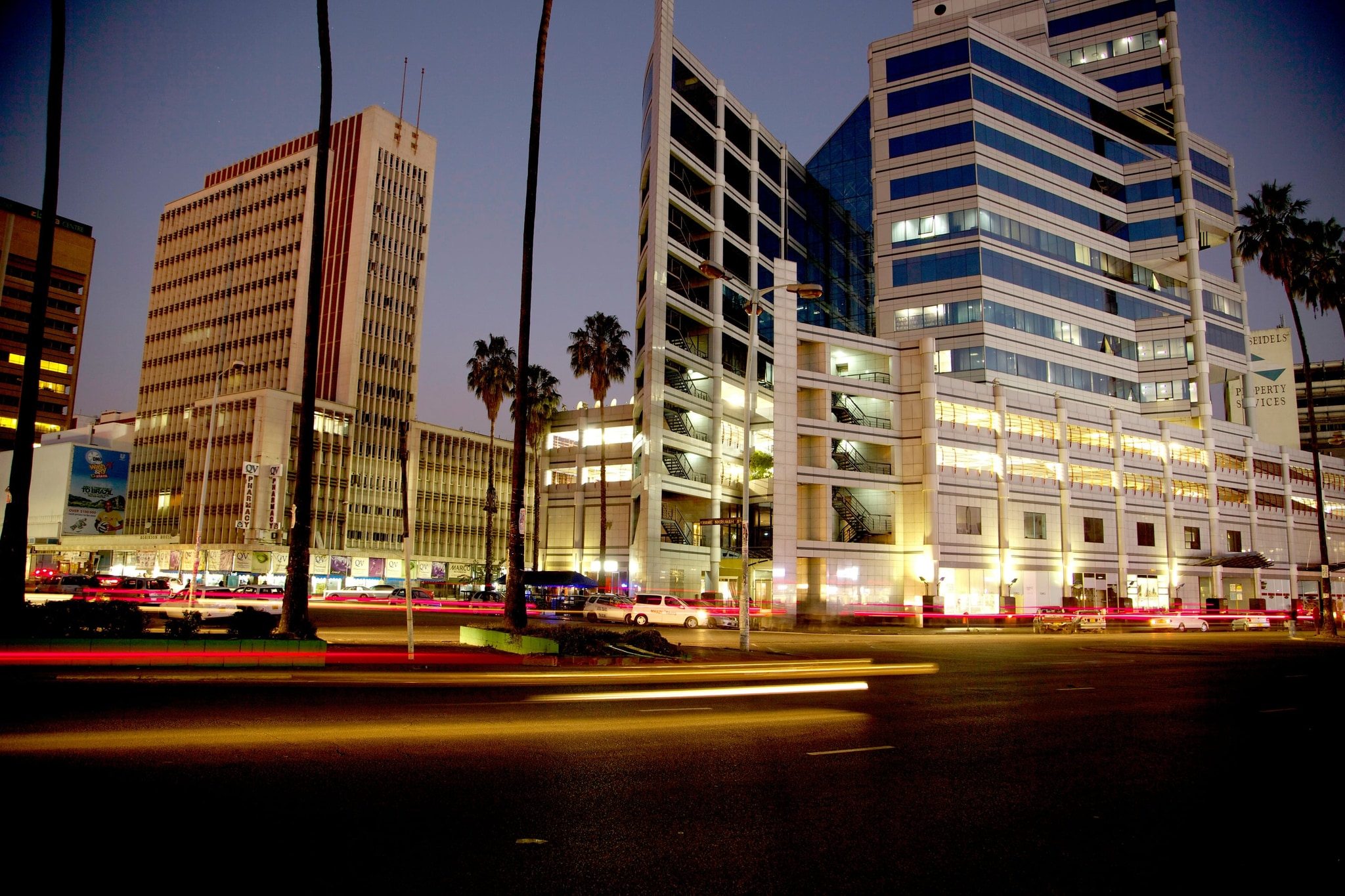
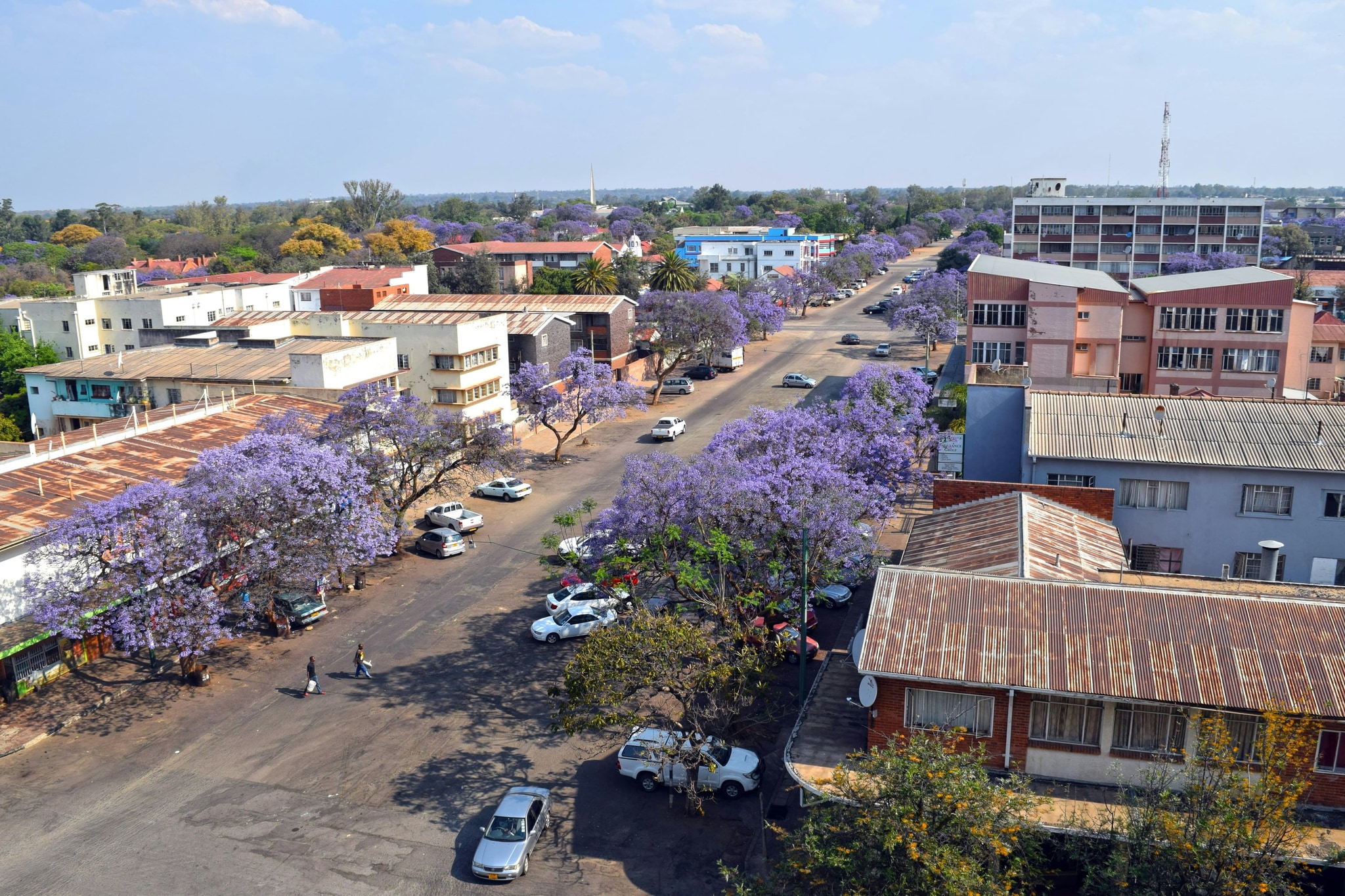
The Harare Gemma grew up in is different from the one we have today. The last time Charmaine went back, in 2017, the only place that seemed to be open was News Café. Gemma laughed at that. “Zimbabwe has erupted. Everywhere you look there is a new restaurant, a new bar, a new construction site.” She drives past a flyover with a billboard on it and cannot remember when it went up.
The Harare that made her, though, is smaller. Her parents would take her to live music shows, and the place she remembers most was the Book Café in town. She recalls that there were two stages, so something was always on. She remembers watching Oliver Mtukudzi and being astounded by the showmanship, but the session musicians also left a deep imprint. They hung around between sets, and if a band on stage suddenly needed a guitarist, one of them would jump up and fall in. “It’s so collaborative,” she said. “I speak the language of music, so we don’t have to have even rehearsed for me to be able to figure this out.” The Book Café has since closed, which she finds heartbreaking, and she is hoping HIFA, the Harare International Festival of the Arts, comes back.
“It’s so collaborative. I speak the language of music, so we don’t have to have even rehearsed for me to be able to figure this out.”
What has developed in this new place is a city that lives on one-day festivals. The best way, she says, to keep up with what is going on is to check what’s happening at individual venues on any given weekend: Alexandra Sports Club, a banger in her words; a show at the HICC; the showgrounds at Glamis; and unplugged nights in between. She has played the Jam Tree, which puts on full-band sets as well as DJ nights, and she goes back to watch her friends play. The scene she came up in was “a heavily male-dominated industry,” and still is, but she has watched it change, and the change she talked about with the most pleasure has been women arriving together: Kyla Blac, Young Gemini and a list of others. “It’s really lovely to have a sisterhood in and amongst it.”
She stops and says, “I’ve never felt more like a tourist in my own country.” You do not have to leave the city for wildlife, which visitors never expect. At Mukuvisi Woodlands she rides horses and looks up to find a giraffe or an eland in the distance. At Haka Game Park, also inside Harare, wildebeest and antelope wander past while you are having a picnic. She has not outgrown any of it.
GEMMA’S HARARE SHORTLIST
- Hyatt the Old Meikles: the perfect place to watch the sunset
- Feli Nandi’s place: great Zimbabwean food
- The Jam Tree: some amazing live music
- Mukuvisi Woodlands: horse riding and nature
- Haka Game Park: conservation and wildlife in the heart of the city
NORTH: HWANGE & VICTORIA FALLS
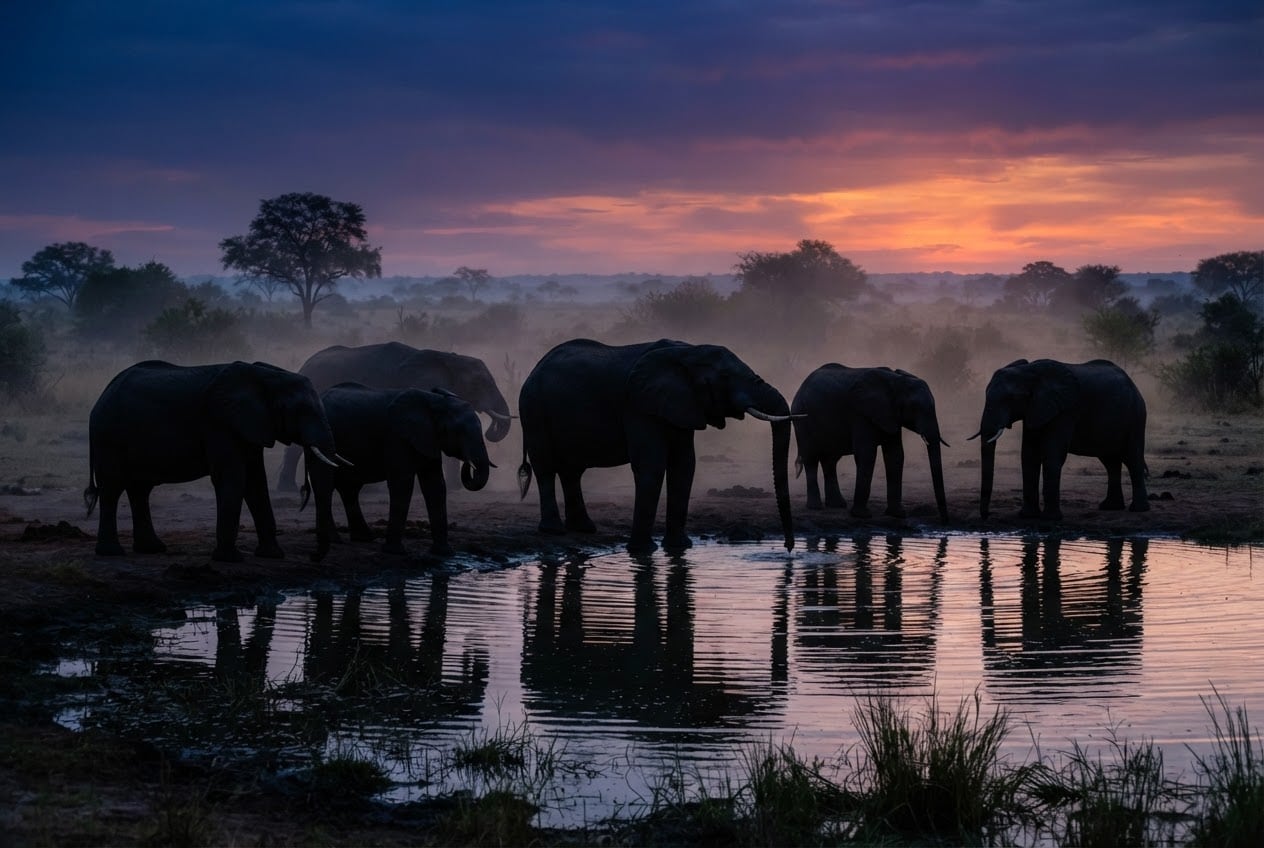
If you have the time to leave Harare, head to Hwange. At the start of the park there is a tented camp called Iganyana, where the pool looks out over the plains and elephants come down to drink from it while you are sitting in the water. “You just sort of freeze and sit still.”
When she says Victoria Falls, she means as a region, not a viewing platform: Mosi-oa-Tunya, the Zambezi at her fullest, the view from the Zambian side, the gorge below, and a day across the border into Chobe in Botswana. There is a lot to see if you give it the days it needs, and it becomes a trip and not just a pit stop.
MANA POOLS
Further along the Zambezi lies Mana Pools, a remote and rugged wilderness designated a UNESCO World Heritage Site in 1984. More than 350 species of birds have been recorded here, but for Gemma, Mana Pools is connected to something more personal. It is a place her mother, an ecologist who works in reforestation and researches trees and plants, often took her and her family growing up. One distinct memory is of a tall spider in that area, which can be alarming if you are not a spider person. Gemma’s mother, however, would simply take off her shoe and place her bare foot in front of it. “No, guys, it can’t bite,” she would say, and this was typical of her. She has always seemed to see the beauty in things that other people might find frightening, strange or simply a little icky.
And perhaps that is part of what makes Mana Pools so captivating. Beyond the memories, there is a sense of being completely immersed in the landscape. The Zambezi moves slowly alongside the floodplains, elephants wander through the woodland, and the sounds of birds carry across the water. It is a place that rewards attention, where even the smallest encounter can become part of the story.
THE EASTERN HIGHLANDS
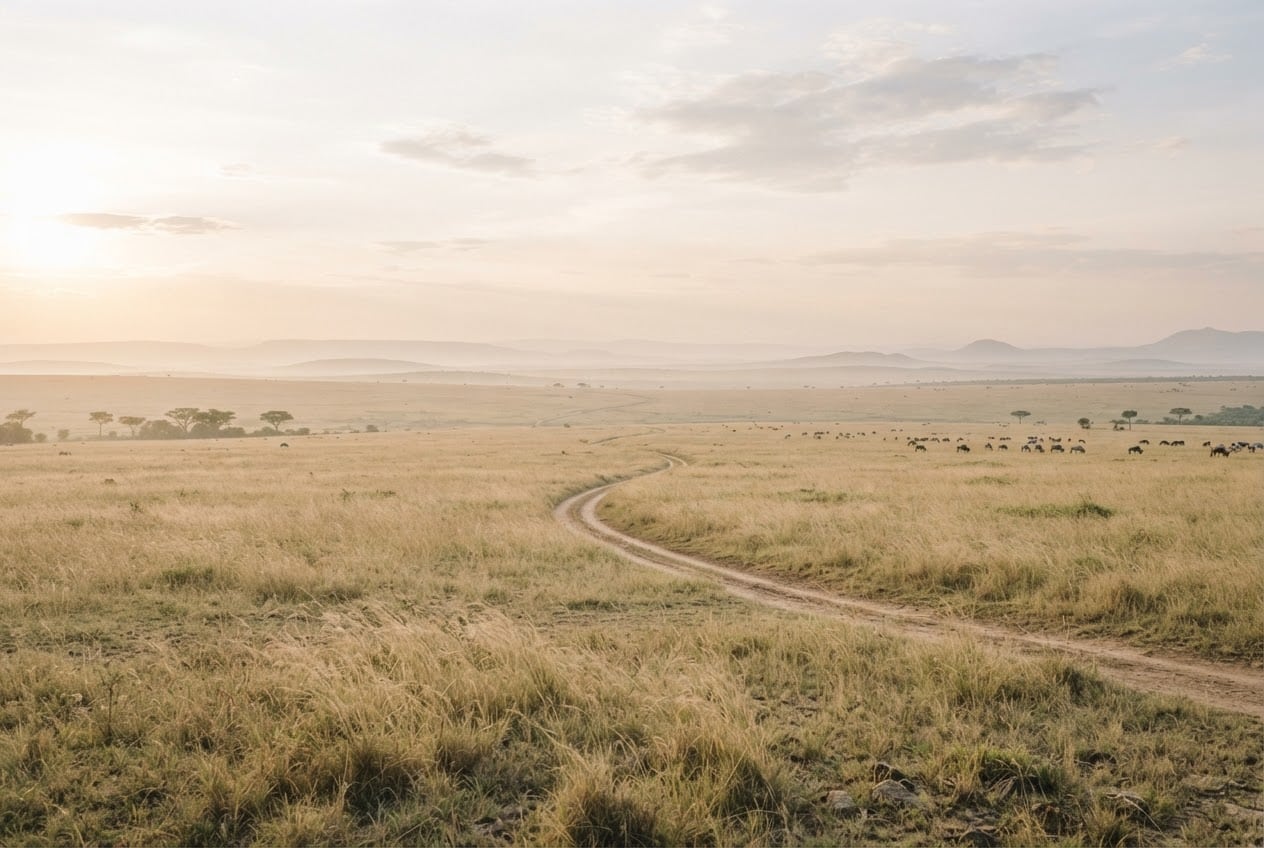
Stretching for 300km down the eastern side of Zimbabwe, off the beaten path, are the Eastern Highlands, three ranges of hills and mountains. According to Gemma, it is a beautiful part of Zimbabwe that some people often miss. “You just need to sit and exist there, and it’s overwhelmingly evident that we are these small creatures in this much more powerful, beautiful existence.” The area spans the rolling countryside of Nyanga, the granite peaks of Chimanimani and the greener meadows of Bvumba.
GREAT ZIMBABWE
For Gemma, Great Zimbabwe is a key part of this country’s history. After a show in Masvingo, she and her band hired a guide to walk them through the site. They learned more about the stonework and the carvings, and also saw the aloe gardens, which the guide said would have been “the pharmacy.”
Many people do not realise that Great Zimbabwe is, as Gemma pointed out, the biggest pre-colonial structure south of the pyramids. It is estimated that the central ruins and surrounding valley supported a Shona population of 10,000 to 20,000. Great Zimbabwe was the heart of a thriving trading empire from the 11th to the 15th centuries. The word Zimbabwe, the country’s namesake, is a Shona (Bantu) word meaning “stone houses.”
WHY ZIMBABWE?
What surprises people most when they finally come is not the landscape. It is the people, and the sense of responsibility underneath everything. “Before I know my rights, there’s this immense feeling of, I know my responsibilities, to community, to each other. You don’t feel alone. And that’s just innately Zimbabwean.”
“You don’t feel alone. And that’s just innately Zimbabwean.”
“It was amazing to see how much of Zimbabwe was so ingrained in me when I was creating in these other places.”
Now she is going back. There are shows planned in Harare before the end of the year, new music on the way, and one collaboration she is not yet allowed to talk about. “I miss home. I love travelling, but I’m just loving Zim right now.”
And towards the end of the hour she made Charmaine an offer, and by extension the rest of us: “You need my tour, guys. Come, come, come, we will go, and we’ll do a whole road trip.”