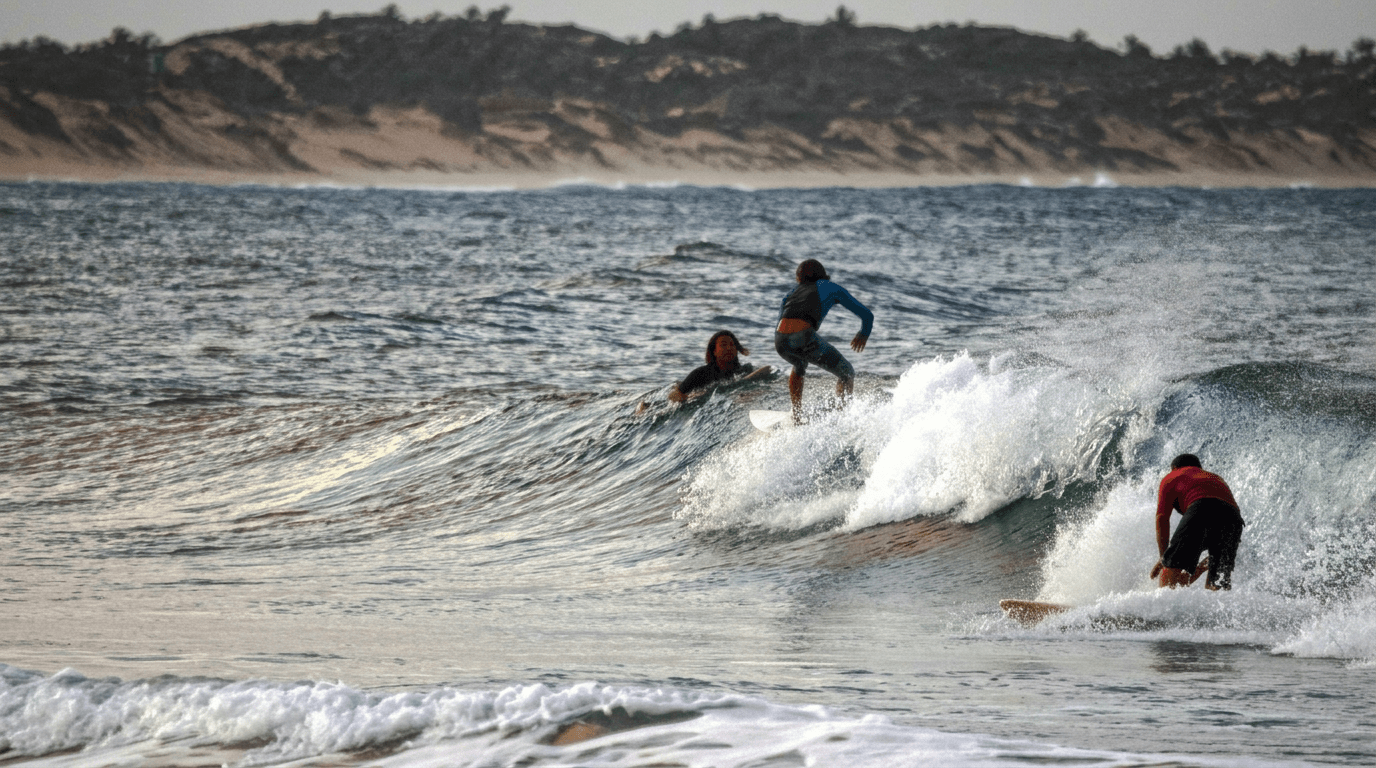
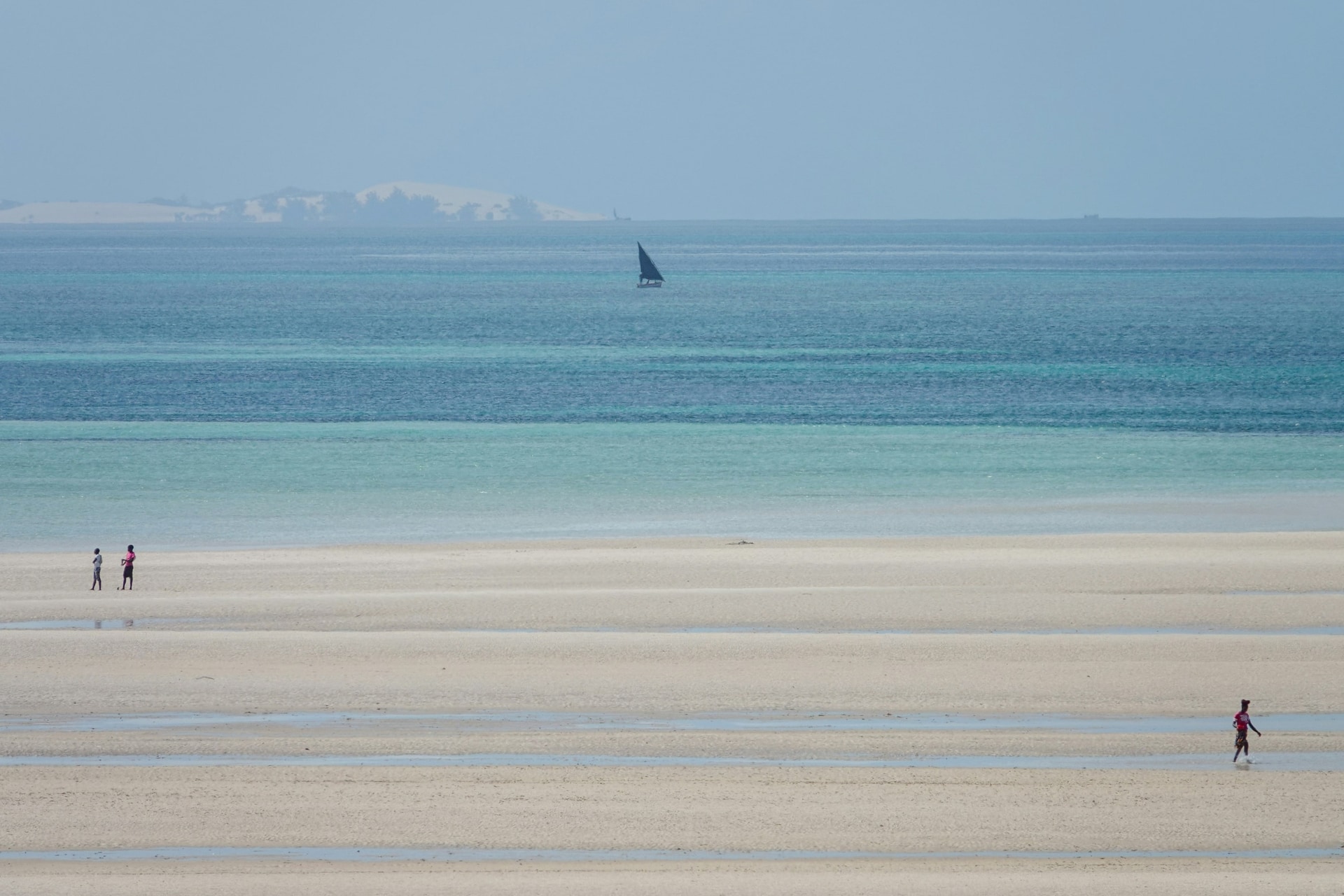
When envisioning far-flung escapes and untouched coastlines, many travellers instinctively turn their gaze to Bali, the Seychelles or the Maldives. However, two countries situated on the south-eastern seaboard of the African continent, Madagascar and Mozambique, offer a rarer and arguably more rewarding experience. Divided by the Mozambique Channel yet united by vibrant ecosystems and deeply rooted cultures, these nations beckon the discerning traveller with authenticity, complexity, and arresting beauty.
Madagascar, the fourth-largest island in the world, is often referred to as a “laboratory of evolution.” Isolated for over 80 million years, it boasts a biodiversity unmatched anywhere else on Earth. An estimated 90 per cent of its wildlife is endemic, including emblematic species such as the indri lemur (Indri indri), the panther chameleon (Furcifer pardalis), and the iconic baobab trees (Adansonia spp.). From the highlands of Antananarivo to the eastern rainforests of Andasibe-Mantadia National Park, the island’s terrain offers striking ecological diversity.
Travellers may be drawn to the coral-ringed beaches of Nosy Be or Île Sainte-Marie, where humpback whales migrate from July to September. Others venture south to explore the spiny forest and semi-arid ecosystems near Ifaty and Toliara, where evolutionary adaptations are manifest in flora and fauna found nowhere else. The island’s rich cultural mosaic, a blend of Austronesian, African, and Arab influences, finds expression in daily life, from communal ceremonies such as famadihana (the reburial of ancestors) to culinary staples like coconut rice and zebu stew. Madagascar’s colonial past under French rule remains evident in its administrative systems, language, and architectural forms.