Ten years ago, a conversation in a Harare jewellery studio gave rise to an unlikely partnership between art and wildlife conservation. What began as a discussion about the growing number of pangolins arriving at the Tikki Hywood Foundation has since developed into one of the more distinctive collaborations between Zimbabwean craftsmanship and conservation, with the Pangolin Collection providing a platform through which jewellery has helped draw attention to the plight of one of the world’s most trafficked mammals.
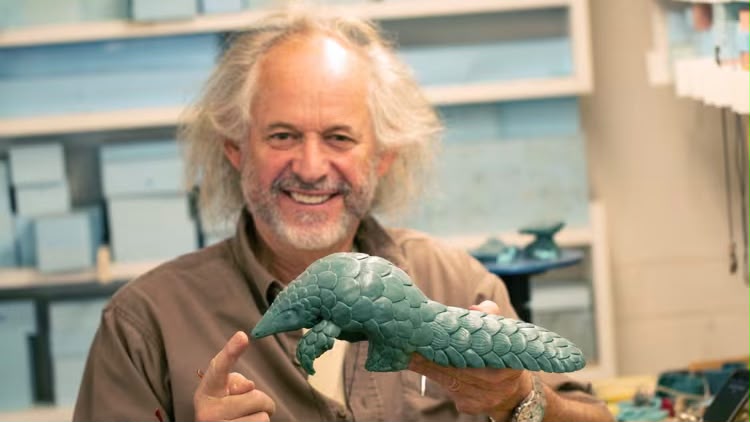
The story began when Lisa Hywood, founder of the Tikki Hywood Foundation and a long-standing friend of Patrick Mavros Jr, visited the Patrick Mavros Studios in Umwinsidale, Harare. During their conversation, Hywood spoke about the increasing number of pangolins being received by the foundation, which specialises in rescuing, rehabilitating and releasing animals affected by illegal wildlife trafficking. For Mavros Jr, the discussion prompted a question that would shape the next decade of the studio’s work: how could jewellery bring pangolin conservation to the forefront?
It was a moment that transformed the pangolin from an object of artistic fascination into a cause with which he felt a personal responsibility. The resulting collection was conceived not simply as an exercise in design, but as a commercial initiative with a conservation commitment. Ten per cent of the proceeds from every piece sold would be donated to the Tikki Hywood Foundation. The proposition was straightforward, but its implications were considerable. Could an object of adornment become a vehicle for communicating the urgency of protecting a threatened species? Could the appeal of fine craftsmanship persuade people to engage with a conservation challenge they might otherwise have overlooked?