Zimbabwe’s creative industries converged on 16 October 2026, when Acoustic Nights turned the Zimbabwean German Society in Harare into a stage for music, comedy, fashion, poetry and visual art. Six solo performers and three fashion labels shared the bill in a celebration of local talent. Presented by Magitare Africa Trust, the event took as its theme Acoustic Roots, Future Branches. The aim was to create spaces where artists from different disciplines can meet, trade ideas and explore collaboration. Rather than settle on a single genre, the programme set music beside spoken word, comedy, live painting and fashion. The result was a snapshot of Zimbabwe’s creative landscape and a reminder of the value of platforms that let different artistic practices share one cultural conversation.
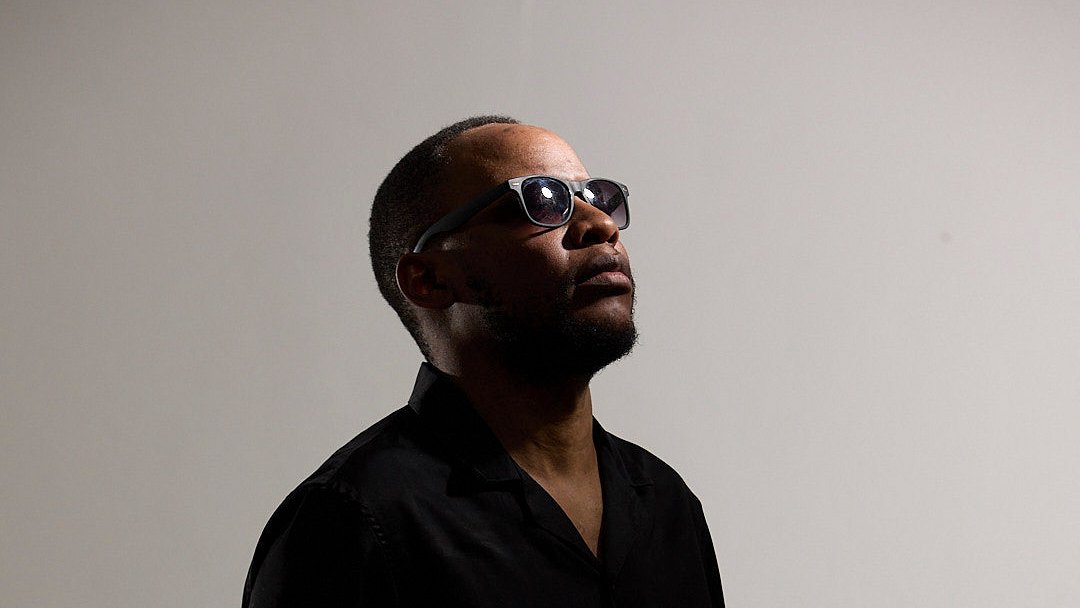
The line-up comprised rapper and poet Nyasha Munashe, artist Francis Maponga, comedian Hupenyu, singer Kim Makumbe, poet Hey Hey Preacher, and live painter and visual artist Josh Chaps. Each brought a distinct practice to the evening, which gave the programme its multidisciplinary character. Visual art also had a presence through Prudence Chimutuwah, whose colourful mixed-media pieces explore women’s lives and experiences. Her work carried the evening’s interest in visual storytelling beyond the performances and set questions of identity and lived experience within the wider celebration of Zimbabwean expression.
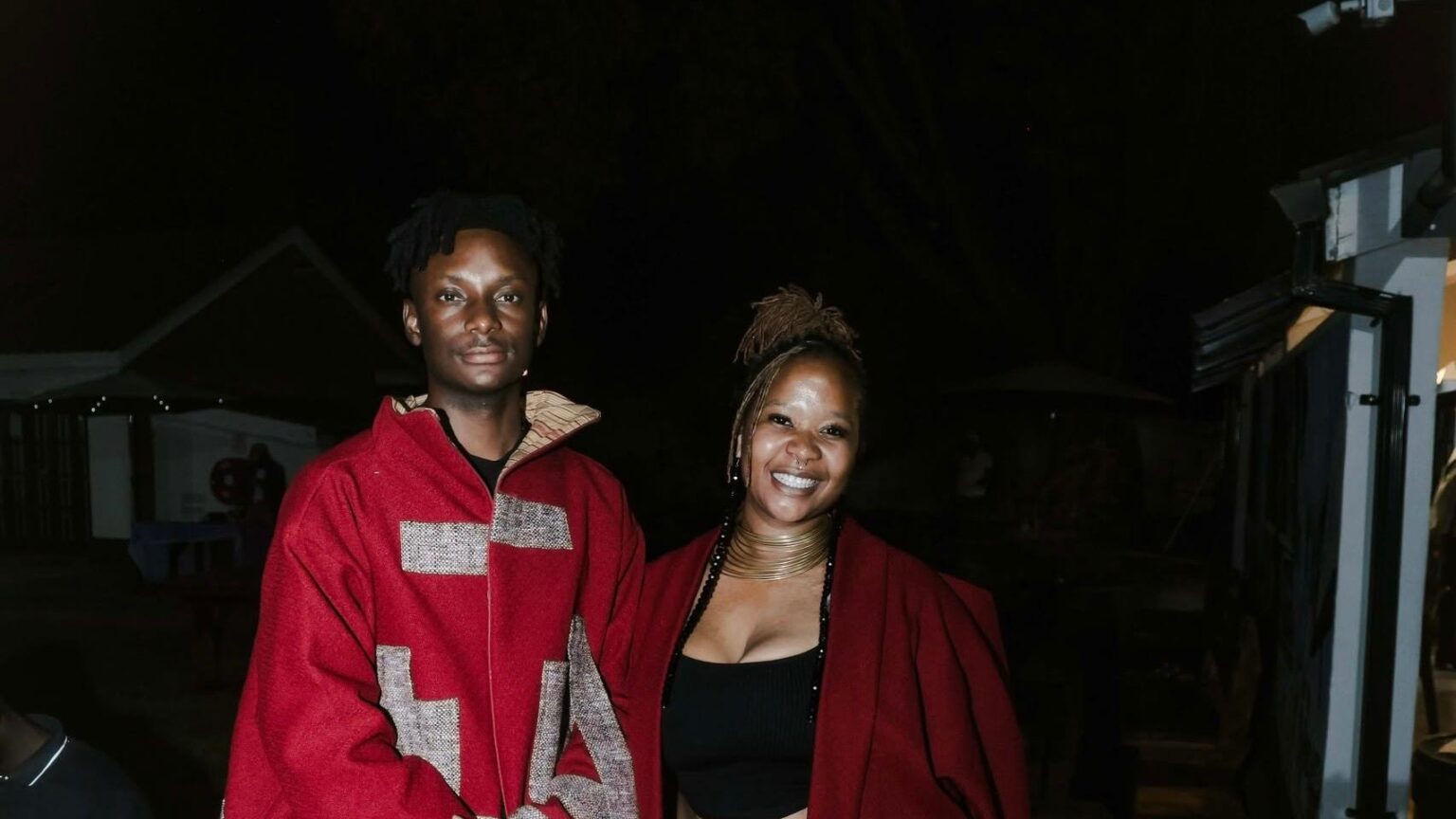
Fashion was central, with designs from Soleil, Fashion Junkie and Roots presented on the runway. The collections added a visual dimension to the night, and fashion shared the stage with music and performance rather than standing apart from them. The three designers also showed the range within Zimbabwe’s fashion industry. Placing their collections in a multidisciplinary setting positioned fashion as integral to the country’s cultural output, part of the same conversation as music, poetry and visual art. The format raises a larger question for Zimbabwe’s creative industries: how can independent artists build relationships, reach audiences and create opportunities when their disciplines so often work in separate spaces?