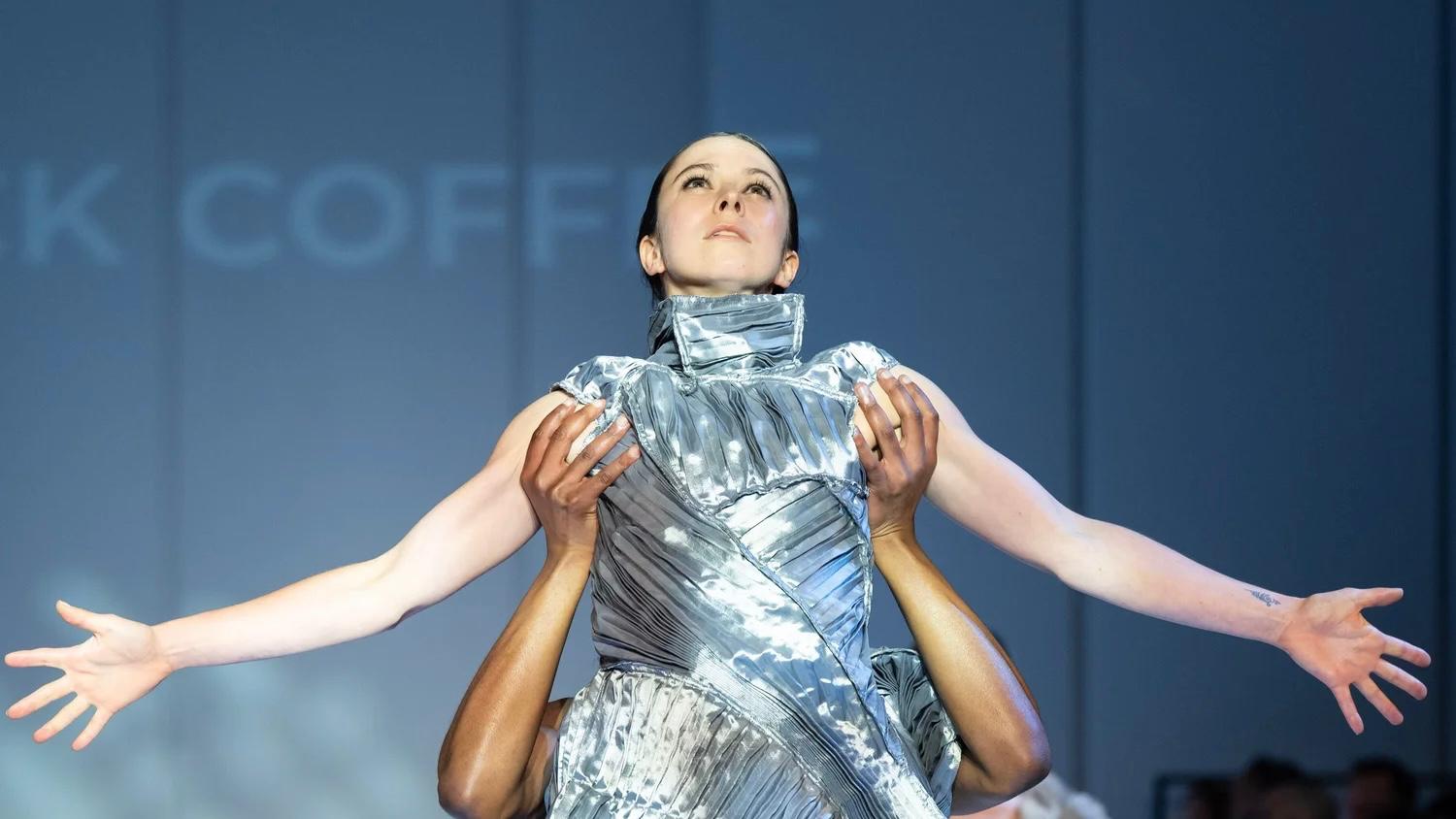
South African Fashion Week (SAFW) returned to The Forum at Hyde Park Corner from 21 to 25 October 2026, bringing together established designers, emerging creative talent and a series of unconventional runway collaborations that demonstrated the diversity and growing ambition of the country’s fashion industry. Now in its 29th year, the event’s Autumn/Winter 2027 season offered more than a showcase of forthcoming collections. Through architectural design, dance, heritage and football culture, the programme explored the different ways in which fashion intersects with South African identity and contemporary creative expression.
This year’s theme, Wear What’s in Your Wardrobe, also offered a considered response to the consumption habits that have come to define much of the fashion industry. Rather than encouraging audiences to pursue the next purchase, the proposition invited them to reconsider their existing wardrobes, placing greater emphasis on personal style, individuality and the possibilities of pieces already owned. The message was particularly relevant in an industry increasingly challenged by the environmental and commercial consequences of fast fashion. Across the season, SAFW placed attention on craftsmanship, considered design, material choices and the creative processes that give garments their character.
The proceedings began with David Tlale, who presented his Restoration collection at the Joburg City Library on 20 October, ahead of the main programme. Staged within the historic institution, the presentation brought together the architectural character of the library and Tlale’s distinctive approach to contemporary African design. Bold silhouettes, richly textured fabrics and cultural references gave the collection a theatrical quality, while the setting introduced a dialogue between heritage, knowledge and creative reinvention. The presentation also provided a platform for five young designers through Interns by David Tlale, an initiative intended to give emerging talent greater visibility and an opportunity to present their work.